Most cities have museums, but Luxor is a museum that happens to be a city. It is the “Throne of the Pharaohs” and the heart of the ancient world. Here, you don’t just look at history—you walk through it. Imagine waking up to the sound of the Nile, watching the sun rise over 3,000-year-old limestone peaks, and touching the same stones that were carved by royal hands when the rest of the world was still in darkness. Luxor isn’t a destination; it’s a soul–stirring encounter with eternity
The East Bank: The Glory of the Living
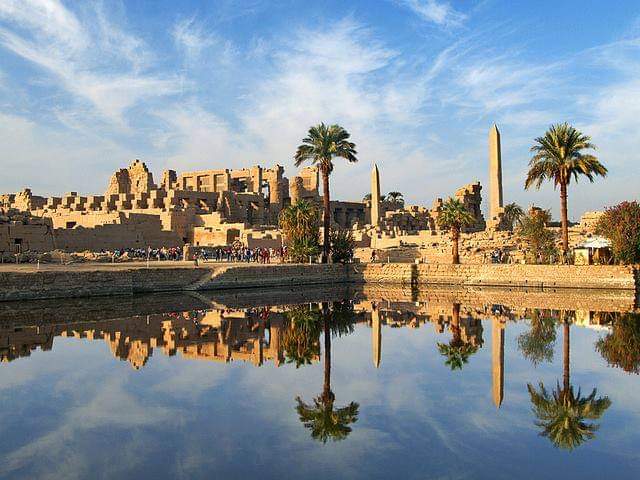
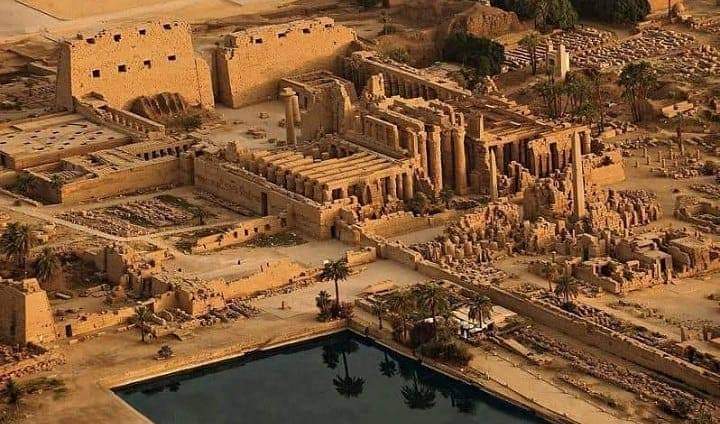
Karnak Temple Complex
Not just a temple, but a city of gods. Walk through the Hypostyle Hall, where 134 massive columns create a forest of stone. This is the largest religious site ever built by human hands.
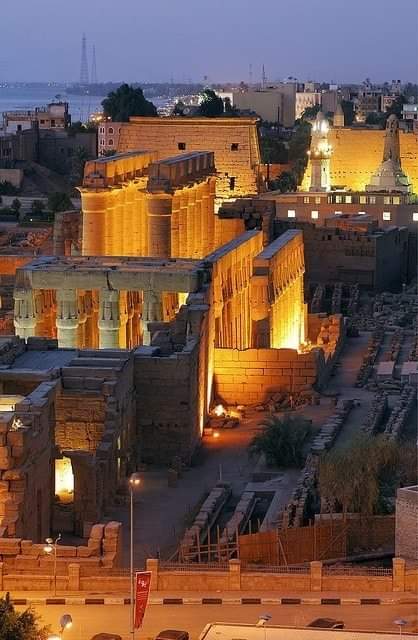
Luxor Temple
Located in the heart of the modern city, this temple is most magical at night. Under the spotlights, the shadows of Ramses II’s statues come to life, and the Avenue of Sphinxes stretches out like a golden path to the past.
The Avenue of Sphinxes
A 2.7km royal road lined with hundreds of sphinxes, recently restored to connect Karnak and Luxor temples just as it did in ancient processions.
The West Bank: The Secrets of Eternity
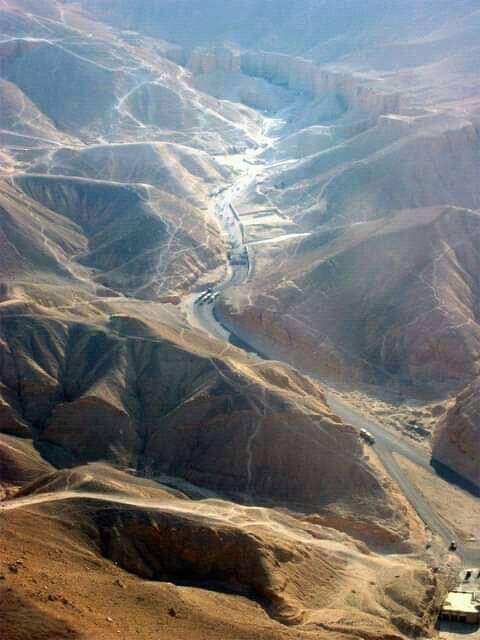
The Valley of the Kings
Hidden in a desolate mountain valley are over 60 royal tombs. Step inside to see colors so vivid and carvings so sharp they look like they were painted yesterday. (Including the legendary tomb of Tutankhamun).
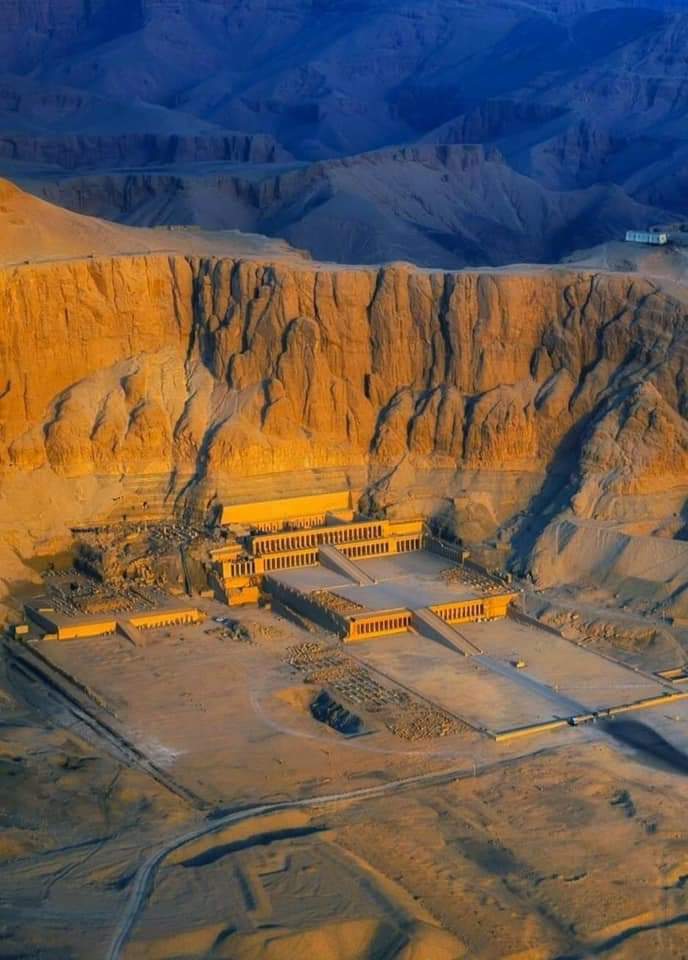
Temple of Hatshepsut
A stunning architectural masterpiece. Built into the towering cliffs of Deir el-Bahari, this terraced temple honors Egypt’s most powerful female Pharaoh.